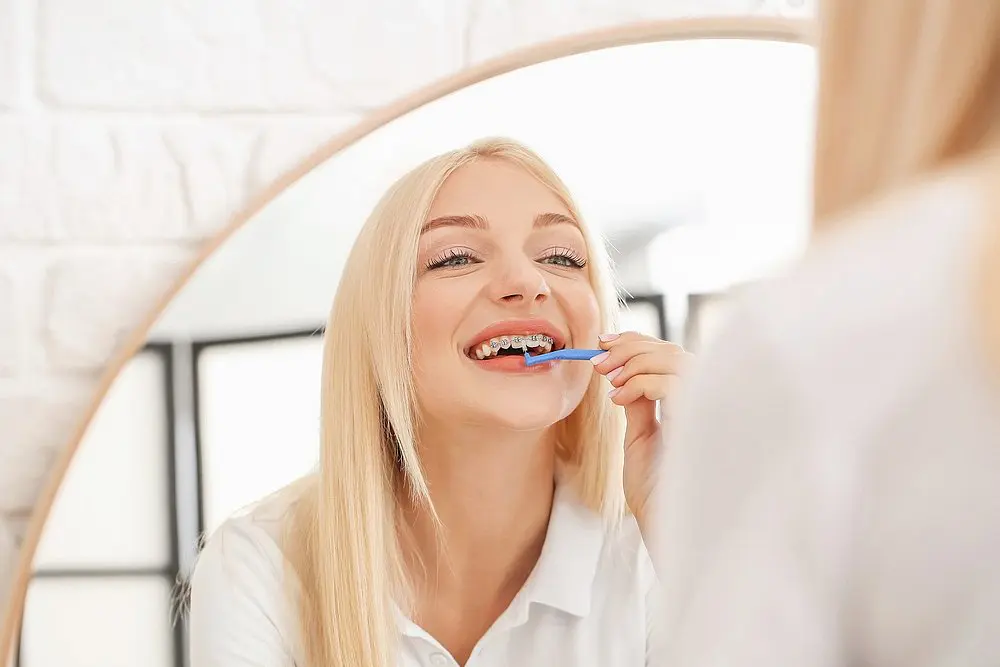
Do you feel confused about how to floss with braces in Liberty Township and Hamilton, OH? Don’t worry, this guide is here to help. Flossing is an important part of oral hygiene, especially while wearing braces. It can be simple when you know how!
Read on to find easy, proven ways to keep your mouth clean and healthy.

Why Flossing with Braces is so Important
Braces are great at straightening teeth, but they also make cleaning your mouth harder. Brackets and wires leave small spaces where food particles, plaque, and bacteria can build up. If plaque sits near the gumline, it can lead to gum disease or irritation. Food stuck near braces also increases the risk of cavities and tooth decay.
Tools to Help You Floss with Braces
Flossing with braces can seem tricky, but the right tools make it easier and more comfortable. Let’s look at some tools that can improve your flossing routine:
1. Floss Threaders
Floss threaders are a must for people with braces. They make it easy to guide floss under the wires. These small plastic tools simplify the process and are often provided by orthodontists.
2. Water Flossers
Water flossers are very popular, especially for cleaning hard-to-reach areas. They use a pressurized water stream to remove food and plaque between teeth and brackets. If traditional floss feels tricky or uncomfortable, water flossers are an excellent choice.
3. Orthodontic Floss
Orthodontic floss is thicker and stiffer than regular floss, making it easier to maneuver around braces. Use it with a floss threader for the best results.
4. Super Floss
Super floss has a spongy texture and is designed to clean both wires and tight spaces between teeth. It’s a simple way to ensure no areas are missed, especially near your gums.
Where to Find These Tools
You can purchase these products at pharmacies in Liberty Township and Hamilton, as well as through online stores. Many dental offices also give tools to patients as part of their care plan.
Step-by-Step Guide to Flossing with Braces
Learning how to floss properly takes a little practice, but these steps will make it easier:
1. Prepare Your Floss
Cut about 18 inches of floss and thread it through a floss threader. Insert the threader under the braces wires and pull the floss through gently.
2. Clean Between Your Teeth
Wrap the floss around the base of each tooth in a “C” shape. Use a slow, sawing motion to clean between teeth and along the gumline. Do this carefully to avoid irritation.
3. Use a Water Flosser for Extra Cleaning
If traditional flossing is difficult, water flossers work well for cleaning braces. Direct the water stream between your teeth and under the wires to remove any remaining particles. Adjust the pressure for comfort.
4. Brush Your Teeth
After flossing, brush your teeth using a soft-bristle toothbrush and fluoride toothpaste. Clean all tooth surfaces, paying attention to brackets and wires. Use slow, circular motions to avoid damaging your braces.
Flossing every night improves oral health and reduces the chance of issues during your treatment process.
Flossing Tips for Different Types of Braces
Braces come in different styles, and each type needs unique care techniques:
- Metal Braces: These require you to carefully thread the floss under the wires.
- Ceramic Braces: Gentle flossing is key here to prevent damage to the delicate ceramic brackets.
- Lingual Braces: Since they attach behind your teeth, it takes more time and patience to clean properly.
- Self-Ligating Braces: These need less frequent cleaning than traditional braces, but regular flossing under wires and around brackets is still necessary.
Overcoming Flossing Challenges
Flossing with braces can be tricky, especially in the beginning. Here are some common challenges and simple solutions:
1. Sensitive Teeth
If your teeth are sensitive, use desensitizing toothpaste and rinse with warm water instead of cold. This reduces discomfort while flossing. Try flossing slowly and gently until your gums adjust to the pressure. You can also use soft waxed floss, which glides smoothly and causes less irritation.
2. Hard-to-Clean Areas
Braces with extra parts, like rubber bands or expanders, can make flossing harder. Try water flossers or super floss to clean these areas effectively. These tools reach spots that regular floss may miss and help remove trapped food. A water flosser is also quick to use and gentle on sensitive gums.
3. Swollen Gums
Some people experience gum swelling when starting orthodontic treatment. Gentle flossing and rinses with saltwater can ease irritation and improve gum health over time. Be sure to floss daily to prevent plaque buildup that can worsen swelling. Avoid brushing too hard, as this can make your gums sore.
4. Dexterity Problems
For patients who find traditional flossing too hard, dental picks or flossing tools with handles work well. Water flossers are also great for people with limited hand mobility. Likewise, Dr. Alex Levine, a professional orthodontist in Cape Coral, FL, recommends water flossers for patients who find traditional flossing too difficult, as they provide a gentle yet thorough clean around braces.
Professional Help at Queen City Orthodontics
At Queen City Orthodontics, we focus on patient care and comfort. Our team is dedicated to helping you maintain excellent oral hygiene during treatment. We offer customized flossing instructions and tools to meet each patient’s care needs for success.
Services We Offer:
- One-on-one flossing demonstrations
- Starter kits with orthodontic care tools
- Emergency appointments for wires or brackets
- Personalized advice for your treatment plan
Regular appointments ensure you get expert guidance to improve your flossing technique and maintain your oral health.
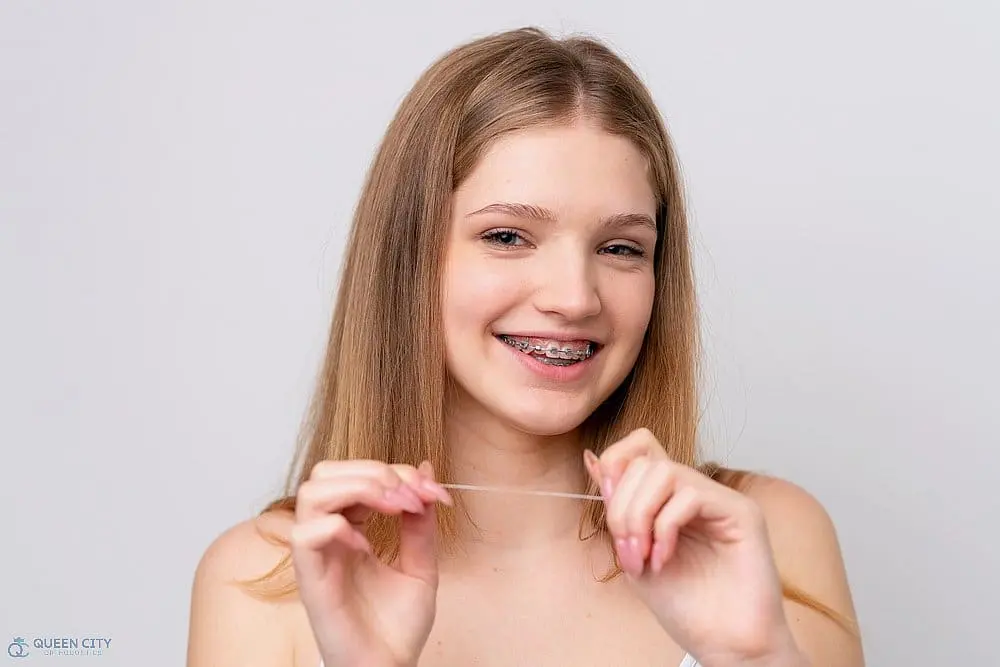
Post-Braces Flossing Tips
Once your braces are off, it’s important to keep up with regular dental care. Here’s how to maintain your beautiful new smile:
- Wear Your Retainer: Retainers prevent teeth from shifting out of place. Wear them as advised by your orthodontist.
- Stick to Good Habits: Continue flossing daily to keep your gums healthy.
- Visit Your Orthodontist: Schedule regular checkups to ensure your teeth stay in great shape.
Good hygiene extends the results of your orthodontic treatment and keeps your mouth healthy.
Get Your Confident Smile Today
At Queen City Orthodontics, we’re committed to helping you achieve a healthy, confident smile. Flossing may take some getting used to, but it’s an essential part of your orthodontic care. With the right tools, tips, and routine, you’ll feel confident in caring for your braces and teeth.
Schedule your consultation today at Queen City Orthodontics in Liberty Township or Hamilton, OH. Our team is here to guide you through every step of your treatment process.
About The Authors
Dr. Nicole Crasto – Orthodontist in Liberty Township and Hamilton, OH
Dr. Alex Levine – Orthodontist in Fort Myers, Cape Coral, and Lehigh Acres, FL
Frequently Asked Questions
Is it better to floss at night or in the morning?
Flossing at night is usually best because it clears away the day’s food and plaque before bed. But if mornings work better for you, that’s fine. What matters most is flossing every day.
How can I tell if I’m flossing correctly?
You’re on the right track if the floss glides with gentle resistance, wraps in a C-shape around each tooth, and moves up and down. A squeaky sound is a good sign, and a little bleeding at first is normal; it should get better with practice.
Does flossing speed up braces?
Flossing won’t make braces work faster, but it keeps your teeth and gums healthy so treatment stays on track. It also prevents plaque and food buildup, helping your braces work more effectively and your smile stay healthier.