Do you want to learn more about “overbite vs underbite in Liberty Township and Hamilton, OH”? These common bite conditions can impact more than just your smile. Problems with jaw alignment can lead to speech problems, discomfort, or even changes in your facial appearance.
What Are Overbites and Underbites?
An overbite happens when your upper teeth overlap your lower teeth too much. An underbite occurs when the lower teeth sit in front of the upper teeth. Both affect your tooth alignment, bite function, and facial symmetry.
Underbites are more common when genetics or unusual jaw growth play a role. Some children benefit from early-use tools like jaw expanders, bite plates, or headgear. These help guide the mandible and reduce the need for future jaw surgery.
What Causes Bite Misalignment?
Several factors may affect your jaw alignment and cause bite problems:
Genetics: Your family history matters. Traits like jaw size, spacing problems, and uneven tooth alignment are often passed down.
Childhood Habits: Activities like thumb-sucking, tongue thrusting, or long-term use of pacifiers may push teeth into the wrong positions. As Dr. Marty Greenberg, a respected orthodontist in Jacksonville, FL, highlights, addressing these habits early is vital to preventing significant bite issues later on.
Diet: Eating mostly soft foods during childhood can slow down chew-related jaw bone strength. Crunchy foods like raw veggies or nuts encourage healthy chewing and jaw growth.
Late Orthodontic Care: Not getting regular orthodontic check-ups can make mild misalignment worse. Early detection through bite impressions, x-rays, and exams can prevent complications and more complex treatments.
Impacts of Bite Misalignment
Bite misalignment doesn’t just affect teeth. It also causes other problems, such as:
- TMJ Pain: Crooked teeth or an uneven bite can stress the jaw joints, leading to headaches, soreness, or tightness around the jaw.
- Chewing Trouble: Misalignment makes it harder to chew food, affecting digestion and comfort.
- Speech Problems: Certain sounds, like “s” or “th,” are harder to pronounce when teeth don’t align.
- Tooth Wear: Unequal pressure causes teeth to wear down more quickly. Worn teeth increase the risk of cavities, cracks, and sensitivity.
- Breathing Problems: Severe underbites can interfere with normal airflow during sleep and may lead to snoring or sleep apnea.
Treatment Options at Queen City Orthodontics
At Queen City Orthodontics, we provide a variety of treatments for bite correction:
1. Traditional Braces
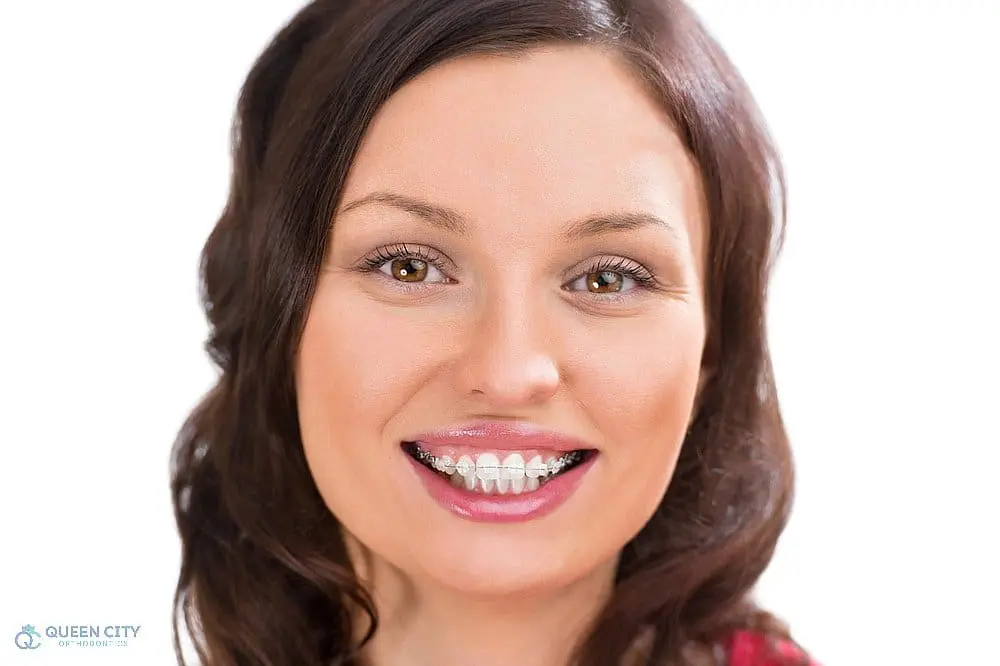
Braces use brackets, wires, and elastic bands to correct tooth alignment over time. They are a trusted solution for both mild and severe bite conditions. According to Dr. Nicholas Andros, a patient-focused orthodontist in Pasco, WA, braces give strong control of tooth and jaw shifts, which is key for complex overbite or underbite cases.
2. Clear Aligners (Invisalign)
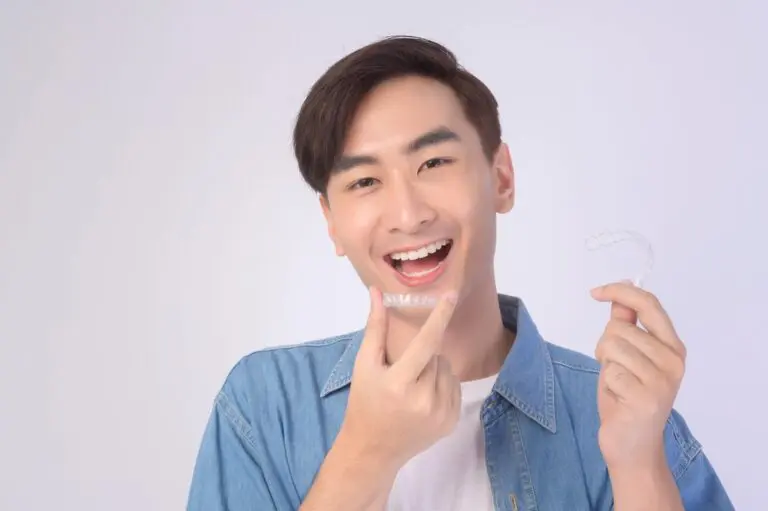
Clear aligners, like Invisalign, gently move teeth without the use of brackets or wires. They are removable, making them convenient for eating, brushing, and flossing. Aligners work well for patients with mild bite issues, like overbite, underbite, or overjet.
3. Orthodontic Appliances
We also use tools such as bite plates, jaw expanders, and elastic bands to guide kids’ jaw growth. This can prevent the need for surgery later and improve early bite function.
4. Jaw Surgery
For severe cases, orthognathic surgery may be necessary to reposition the mandible or maxilla. Surgery restores proper jaw alignment and improves facial appearance. Patients may use braces after surgery to refine their results further.
Benefits of Correcting Bite Problems
Fixing bite problems can improve your health, comfort, and confidence. Key benefits include:
- Improved Chewing Ability: Correct alignment makes eating smoother and aids digestion.
- TMJ Pain Relief: Resolving jaw alignment issues can reduce discomfort, headaches, and jaw pressure.
- Aesthetic Improvements: Aligning your bite enhances facial symmetry, giving you a confident, balanced smile.
- Protects Teeth: Fixing misaligned bites prevents tooth wear, crowding, and enamel cracks.
- Clearer Speech: Adjusting your bite function helps with articulation, especially for sounds like “s” and “z.”
Cost of Overbite & Underbite Treatment in Township and Hamilton
The cost to fix an overbite or underbite can vary. It depends on how severe your bite is and what treatment is best for you.
Mild cases often need braces or clear aligners. These options usually cost between $3,500 and $7,500.
Life After Treatment
When your treatment timeline ends, it’s important to protect your results with proper care.
Retention Phase
Wearing retainers holds your corrected bite in place, preventing teeth from shifting back to their original positions.
Oral Hygiene and Aftercare
Brush and floss daily, and visit your dentist regularly. Avoid habits like chewing hard objects (ice, pens) that can harm teeth. Stick to your orthodontist’s aftercare instructions to maintain optimal results.
Why Choose Queen City Orthodontics?
Families in Liberty Township and Hamilton trust us for expert care in orthodontics. Here’s what makes us stand out:
- Advanced Tools: We use 3D imaging, digital scans, and advanced bite impressions to ensure precision.
- Custom Care Plans: Every patient’s treatment plan is personalized for their needs, from speech problems to cosmetic goals.
- Flexible Payment Options: We accept most insurance and offer cost-friendly financing solutions for families.
- Experienced Experts: Our team has years of training in fixing complex bite problems through modern and efficient care options.
Start Your Smile Journey
Don’t let an overbite or underbite affect your life. Whether you’re a teen, child, or adult, Queen City Orthodontics offers effective solutions, from braces and aligners to surgical correction if needed.
Book an appointment at either our Liberty Township or Hamilton office for an expert evaluation. We’ll help you achieve a healthier, more confident smile!
About the Authors
Dr. Nicole Crasto – Orthodontist in Liberty Township and Hamilton, OH
Dr. Marty Greenberg – Orthodontist in Jacksonville, FL
Frequently Asked Questions
What age is too late to fix an overbite?
It is never too late to fix an overbite. Treating it is often easier in kids or teens, but adults can benefit too. Whether you are 25, 45, or 65, you still have options. Braces, clear aligners, or other treatments can help move your teeth and improve your bite. Your dentist or orthodontist can choose the best plan for you. Age should not stop you from getting a healthy, confident smile.
What happens if you never fix an overbite?
If you do not fix an overbite, you may have problems later. Your teeth can wear down, leading to pain or even tooth loss. Chewing may get hard, and you might feel jaw pain or headaches. It can also affect your speech and make you feel shy about your smile. In some cases, it can even change your face shape. Fixing it helps keep your teeth and bite healthy over time.
How to completely fix overbite?
The best way to fully fix an overbite is to see an orthodontist. They may suggest braces or clear aligners to slowly move your teeth. In very severe cases, jaw surgery may be needed. After treatment, wearing a retainer helps keep your smile straight. It takes time, but following your orthodontist’s plan can give you a well-aligned bite and a confident smile.